

What is CVA? Is it a disease?
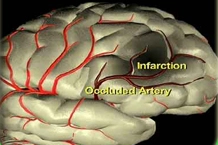 CVA- Cerebro vascular Accident is an accident rather than a disease. It occurs inside the brain. Its effect is observed around the body through paralysis.
What happens inside the brain?
It occurs due to short supply of Oxygen to the brain cell. Short supply takes place due to hemorrhage (arterial breakage) or infarction caused by embolism (arterial blockage) or ischemia of artery (narrowing). Due to short supply of Oxygen a sudden death of brain cells takes place. Subsequently they lose their function and command over the peripheral nervous system. Also the spilled blood gets accumulated in the brain and creates pressure on brain cell. Commonly this is called stroke. The doctors call it CVA- Cerebro vascular Accident. CVA- Cerebro vascular Accident-
- What is CVA?
- What is Paralysis?
- What is its sign and symptoms?
- What is the specialized ayurvedic treatment for CVA/Paralys Management?
- What is the importance of Family support for a Paralysis Patient?
- hemi plegia
- CVA Treatment
Click here for family support for paralysis patient.
You can Contact our Astang Ayurveda hospital at Bhubaneswar, India.
For inquiry, Call us;
Call Now - 70081 76012 Call Now - 0674-2352797or Mail us;
info@astangayurveda.com drapnayak@gmail.comGet Directions to Our Location on the Map
What is a Cerebrovascular Accident (CVA)?
CVA, commonly known as a stroke, is an accident that occurs in the brain due to a disruption in oxygen supply. This can result from a hemorrhage (bleeding), embolism (blockage), or ischemia (narrowing of arteries), leading to the death of brain cells and loss of function.
Is CVA a disease?
No, CVA is not considered a disease but an accident or event in the brain caused by impaired blood flow, leading to paralysis or loss of function in parts of the body.
What are the common symptoms of CVA or Hemiplegia?
Symptoms include loss of function in one or more limbs (paralysis), facial drooping, speech impairment, difficulty in swallowing, uncontrolled salivation, and loss of bladder or bowel control.
How does CVA affect the brain?
CVA causes sudden death of brain cells due to lack of oxygen. This leads to the loss of control over the body’s muscles and nervous system, resulting in paralysis and other neurological deficits.
What is the Ayurvedic approach to treating CVA?
Ayurveda offers a holistic approach to CVA treatment, including herbal medications, Panchakarma therapy (such as Snehan, Swedan, Pizhichil), yoga, and post-treatment exercises to restore mobility and function.
What is the role of Panchakarma in CVA management?
Panchakarma is a detoxification and rejuvenation process that helps in restoring nervous function, reducing muscle stiffness, and improving mobility. It is highly effective when started early after the stroke.
How does family support help a paralysis patient?
Family support is crucial for the emotional and mental well-being of a patient recovering from paralysis. Encouragement, care, and emotional stability help in faster recovery and prevent depression or emotional distress.
What happens to the mind after a CVA?
A patient may experience emotional changes, such as forgetfulness, temporary memory loss, mood swings, sadness, anger, and frustration. Support from loved ones can significantly ease these psychological effects.
Can a patient recover from CVA through Ayurveda alone?
Yes, Ayurvedic treatments like Panchakarma, combined with proper diet, exercise, and yoga, can help in gradual recovery and improve the quality of life for CVA patients.
What should be done immediately after discharge from the hospital for a CVA patient?
After discharge from a modern medicine hospital, it is recommended to transfer the patient to an Ayurvedic facility for Panchakarma treatments. The sooner the Ayurvedic therapy begins, the better the recovery results.